Part connection, part rebellion
Rethinking how we care for ourselves through real talk, flexible events, and a sense of humor.

Self-care done differently
Burnout. Constant busyness. Stress. Disconnection. Guilt. You know… all the fun stuff we carry quietly and pretend we’re fine? Yeah, let’s change that.
Caring for ourselves was never meant to be this complicated — and it was never meant to be done so alone.
At Self-Care Social Hour, we explore the real challenges and opportunities of caring for ourselves. Through events and thoughtfully curated resources, we’re reimagining self-care — beyond quick fixes and toward real capacity.
-
We aim to make self-care more meaningful, manageable, and accessible and our programming works with this end in mind. Our events and tools are a mix of low-stake and in-depth experiences to meet as many different comfort/interest levels. Here are some of our offerings:
Pop-up events: mixers, free things in the city, etc. (currently organizing “Mini-Adventures” series)
Experience lab: experiential opportunities like art, fitness, mindfulness
Salon & workshop series: reflective events guided by experts in their field
-
We like to create experiences that are social, skeptical, and playful — allowing us space to see the barriers and possibilities. We view self-care through a relational lens and acknowledge how much relationships and culture impact our ability to care for ourselves.
We also like to have a little fun. 🥳
-
We use the definition of self-care as “the practice of individuals looking after their health using the knowledge and information available to them.”
We believe self-care encompasses the simple/feel-good as well as the challenging/complex and covers many domains (physical, social, emotional, mental, spiritual, etc.).
-
Self-care isn't just a list of tactics or quick strategies. To build care that actually lasts, we look at the deeper foundation:
1.) Personal Context — how your past and present lived experiences impact your ability to care for yourself.
2.) Mindset — how your beliefs, attitudes, and expectations influence your self-care
3.) Skills — your ability to recognize and meet your needs independently and in community.
4.) Social Support — the quality of your social interactions that help or hinder your ability to have quality care for yourself.
Past Events … with photo documentation 😂
-
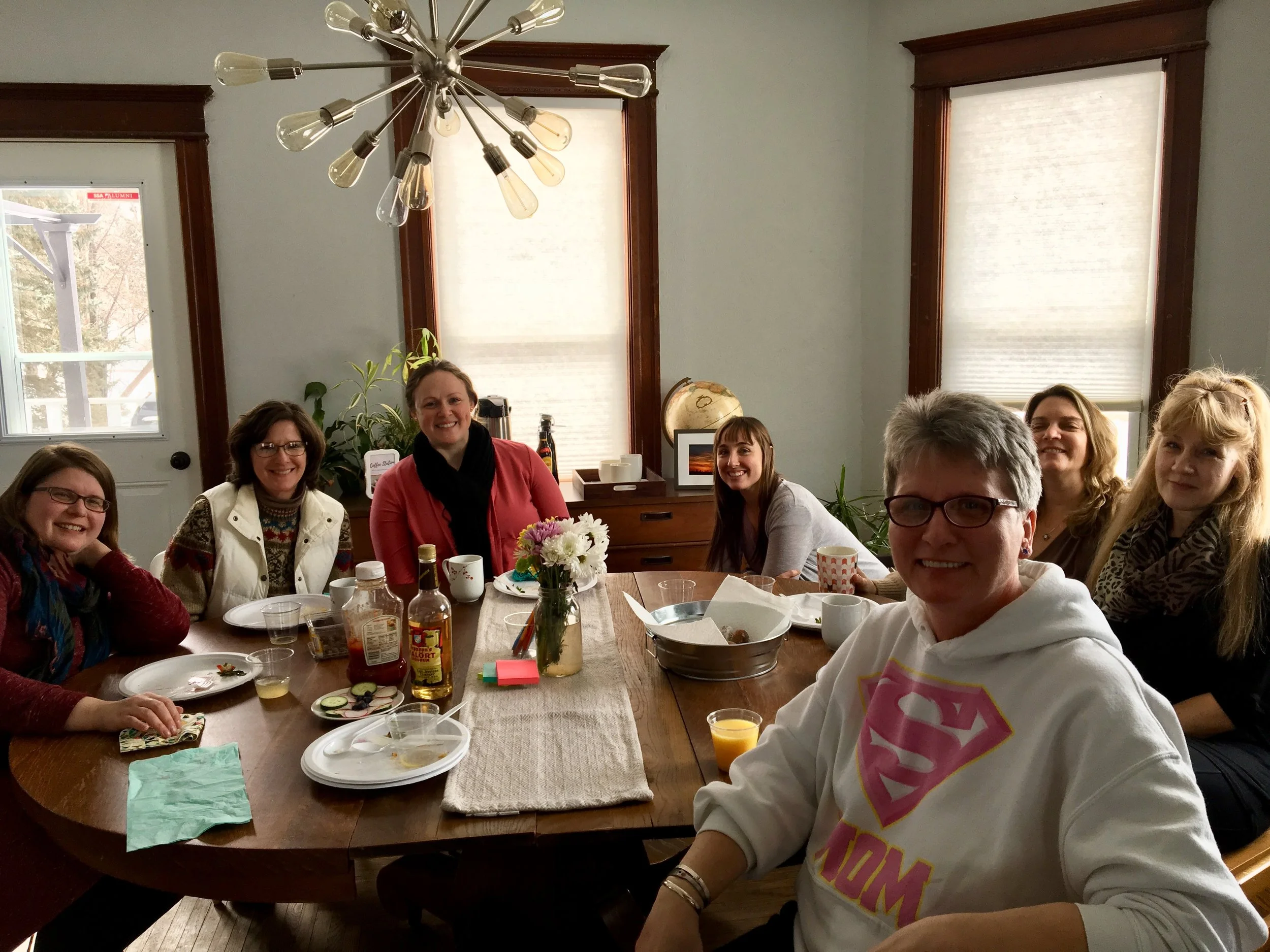
![]()
Hometown Brunch
-
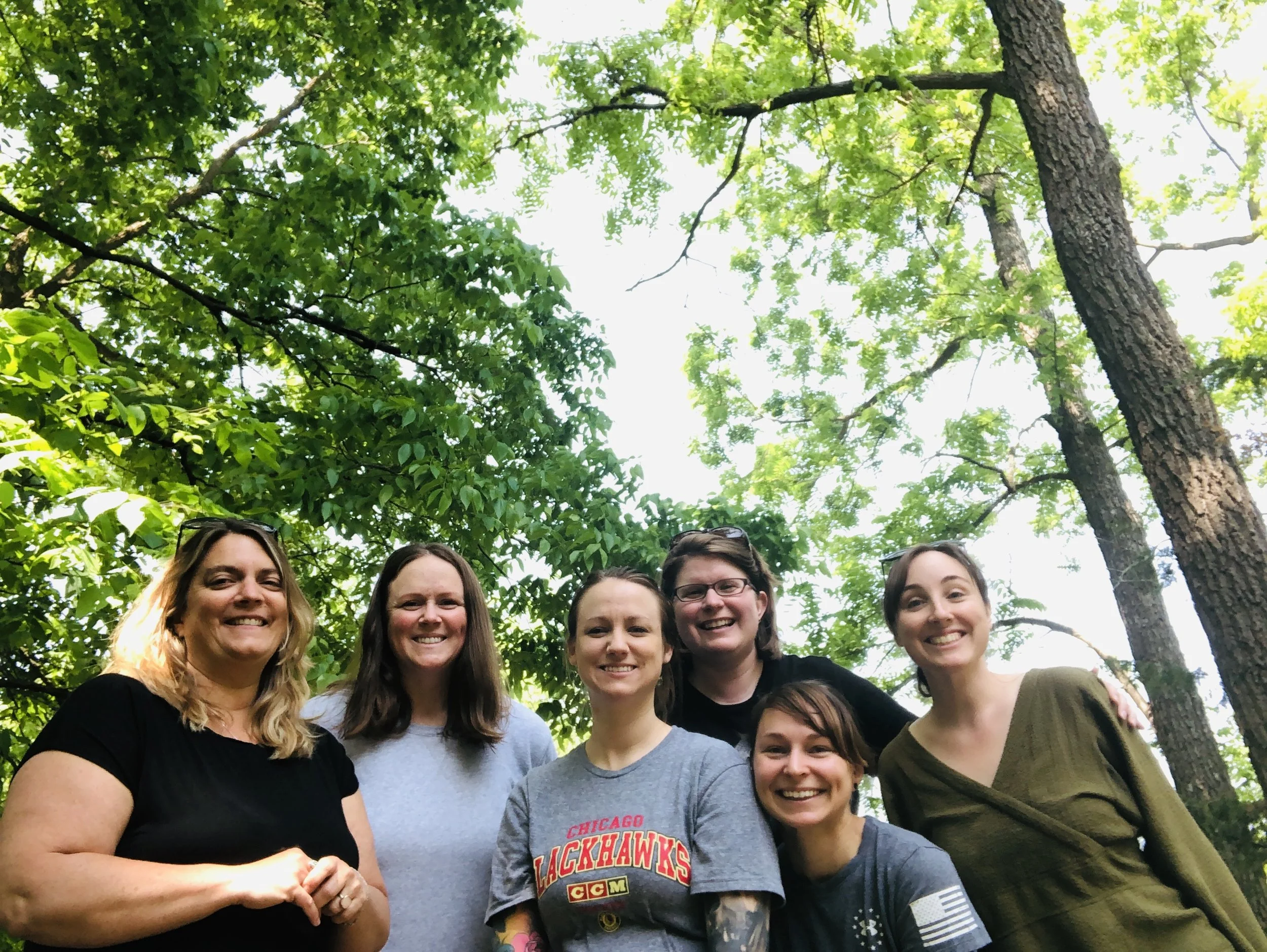
![]()
Mini-Retreat
-
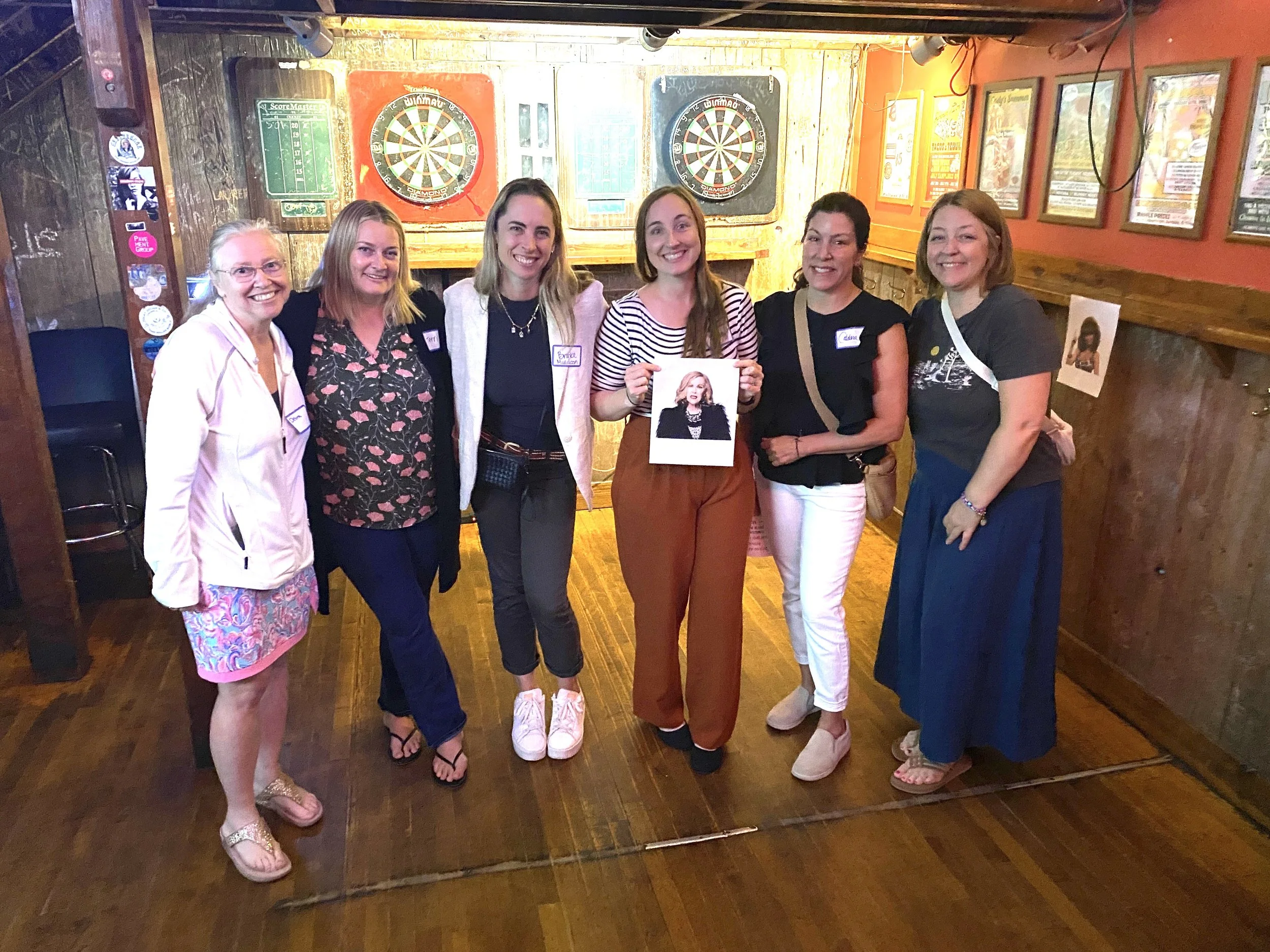
![]()
"Mama Needs a Break" Mixer
This sounds kinda interesting…
Where do I start?
Interested in learning more about the many different ways you can get involved? Click below to learn more. Introverts welcome. Extroverts tolerated…. just kidding. We love you too.